Learn about the common mistakes when laying artificial grass and how to prevent issues like poor drainage or uneven surface. Perfect your garden installation today.
Skipping A Proper Site Survey
Many projects fail before they start because no one takes the time to study the garden. A site survey means walking the area with a notebook, noting features such as manholes, trees, borders, and door thresholds. You should record how people move through the space and where furniture or play equipment will sit. These details shape the plan and prevent awkward cuts or unsafe trip points later.
Accurate measurements are part of the survey, yet people often guess the size and hope to trim to fit. Measure the longest length and the widest width, and mark them on a simple sketch. If the garden curves, draw a rectangle that covers the whole shape, then measure that rectangle. This approach makes ordering easier and helps you plan where seams will fall.
Levels are often ignored during a quick look, but they matter just as much as size. For this, you'll want to use a long straight edge or a tight string line to see if the ground rises or falls, and make a note of any high spots. Check door clearances and step heights so the finished lawn does not block openings. A few minutes spent checking these points prevents costly changes on fitting day.
Poor Drainage Planning
Artificial grass needs a base that lets rainwater pass through without pooling. The common mistake is to assume the water will just find a way out, which often leads to soft spots and odours. Watch how water moves after rain or use a hose to mimic steady rainfall. You are looking for puddles that stay, because they signal poor drainage that must be fixed before laying begins.
Soil type has a large effect on drainage and should guide your base build. Clay soils hold water for a long time and need more free-draining aggregate to keep the surface firm. Sandy or loamy soils drain more easily, but compaction or buried rubble can still cause problems.
Finished height is another point that people miss when they plan drainage. The lawn must sit below the damp-proof course of your home and should fall gently away from walls and doors.
If edges trap water, cut channels or use a discreet drain to let it out. Keep nearby gullies clear so the path for water stays open through the seasons.
Pet areas bring their own needs, since liquids must pass through the surface quickly to avoid smell. Choose a base that drains freely and prevents barriers that hold moisture near the top.
Giving it a rinse on a regular basis will keep the area fresh, but only if water can escape into the ground. Good planning now means easy cleaning later and a lawn that stays pleasant to use.
Not Compacting The Sub Base Well
A strong sub base is the foundation of every good installation, yet many lawns go down over stone that has not been compacted enough. When the base moves, the surface dips and wrinkles appear. This is not a fault with the grass, but a sign that the layers below are shifting under weight. Proper compaction locks the stone together so it acts as one solid platform.
Thickness must match the ground and the use. For most gardens, a total depth of around 75 to 100 millimetres after compaction gives a firm and stable base. On softer soils or high traffic areas, increase the depth and consider an open graded layer that helps water move. A thin base may look level on day one, but it will settle and show every footstep.
The final blinding layer needs just as much care as the main base. Go in with a fine, free-draining material such as granite dust to create a smooth surface without sharp points. Compact the base until it feels entirely solid, then sweep away any loose grit you find that could press into the backing. A well-compacted base keeps the lawn flat, reduces wear, and makes maintenance simple.
Laying On Uneven Ground
It is tempting to cover minor lumps and bumps with grass and hope they disappear, but the surface will show every dip once the fibres lie down. Uneven ground also affects how rainwater flows, creating puddles that will spoil the look and feel of the lawn. Start by scraping off high points and filling low spots before you bring in the base material. Aim for a steady fall that guides water to a safe place.
Use straight edges, spirit levels, or string lines to read the ground and set your target profile. This does not mean a perfectly flat lawn, but it should be smooth and consistent underfoot.
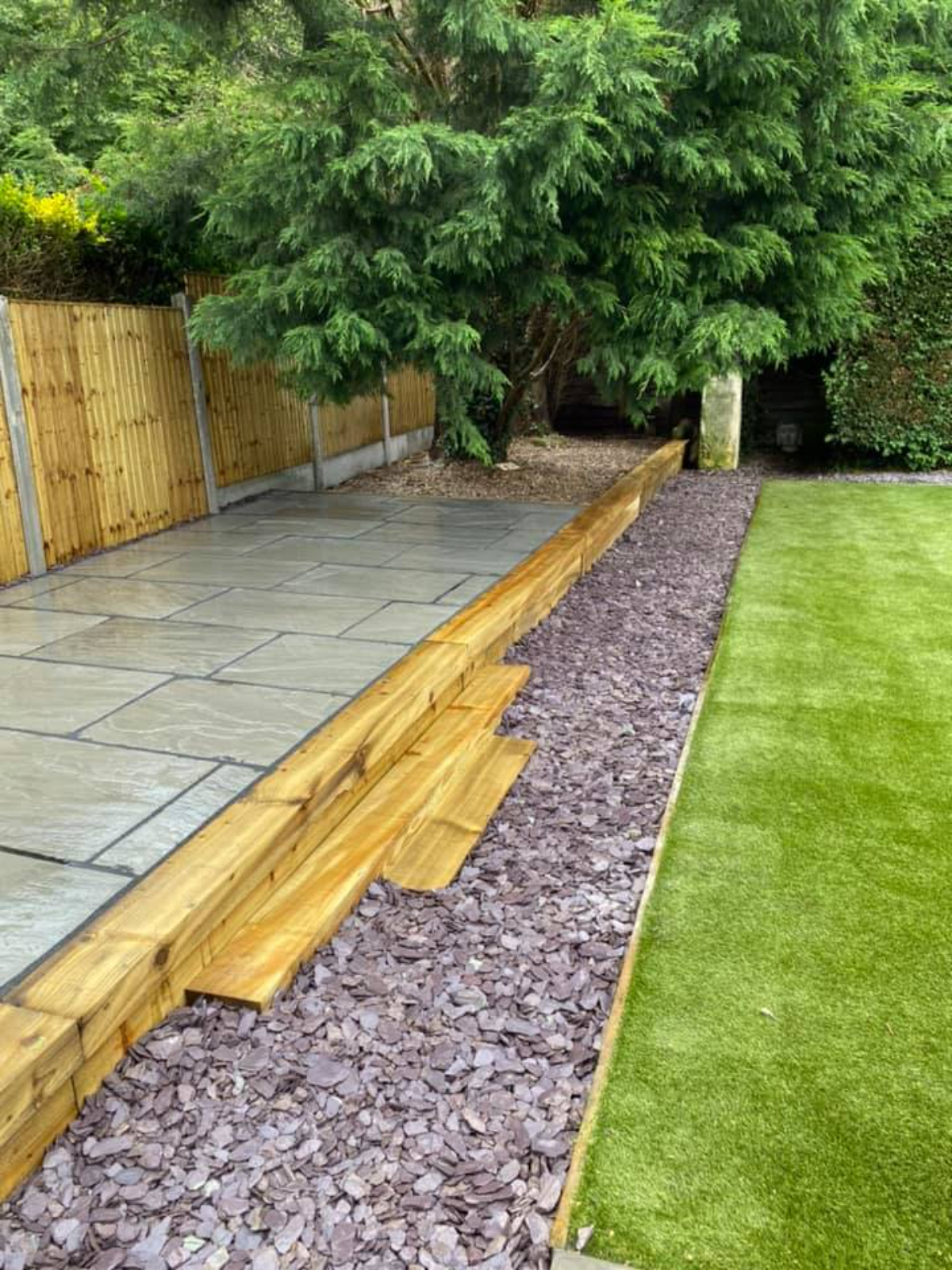
Edges must be set to true, because they control both the line of the lawn and the restraint on the base. Fixed timber, metal edging, or concrete haunching should sit firm and level, matching the intended finish height.
If the edge waves or tilts, your grass will then mirror that shape and look uneven. Strong edges also stop the base from spreading and keep the perimeter neat over the years.
Before you roll out the grass, check the whole area one more time for ridges, hollows, and loose stone. Small flaws are easier to correct now than after the adhesive is applied.
Take a slow walk across the surface that has been laid and listen closely for crunching sounds that signal unbound grit. A smooth, even platform makes cutting easier and helps the fibres sit natural
Not Letting The Grass Settle Before Laying
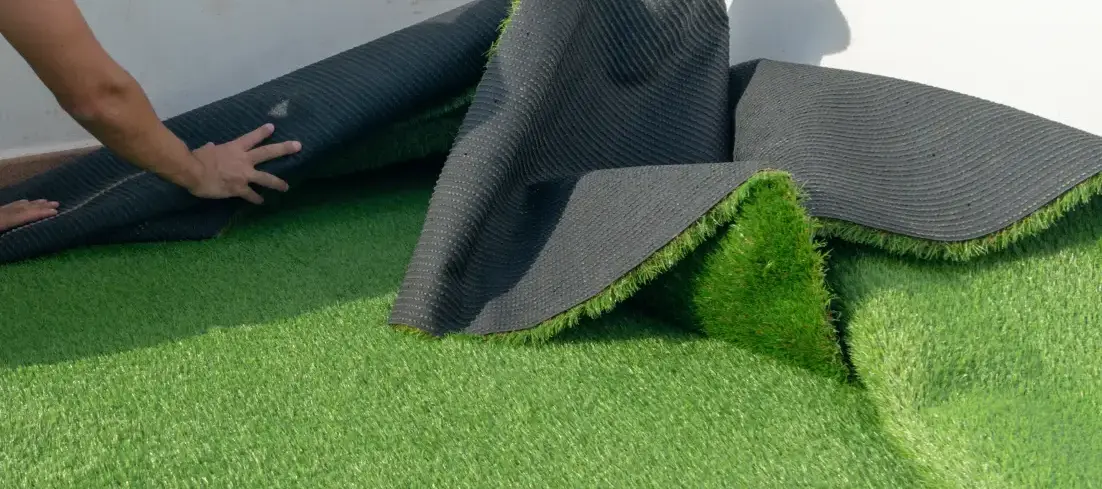
Artificial grass arrives in tight rolls, and the backing holds a memory of that curve. If you cut and fix it at once, the edges may lift, and small ripples can appear as the material relaxes. The simple cure is to unroll the grass onto the prepared base and let it settle in place. Warmth helps the fibres open, so choose a dry window if you can.
Give the roll plenty of time to relax, with the pile facing up and the backing in full contact with the base. Gently brush the fibres to lift them and check the pile direction on every piece, because all sections must run the same way to keep the colour even. As the backing relaxes, tension lines fade and the material becomes easier to trim with clean edges.
Dry laying is an important step that many people skip, yet it allows you to position joins where they are least visible. Set the pieces side by side and trim the factory selvedge to expose neat, straight rows of tufts. Bring the edges together without forcing them tight, leaving just enough space so the fibres are not pinched. When the fit looks natural, you can bond with confidence.
Gaskells Groundworks are a professional team of artificial grass layers for Escrick, Selby, and Riccall. We work passionately, applying our knowledge to create your dream landscape. Whether you're considering a complete garden makeover or just need some advice, we're here to help!