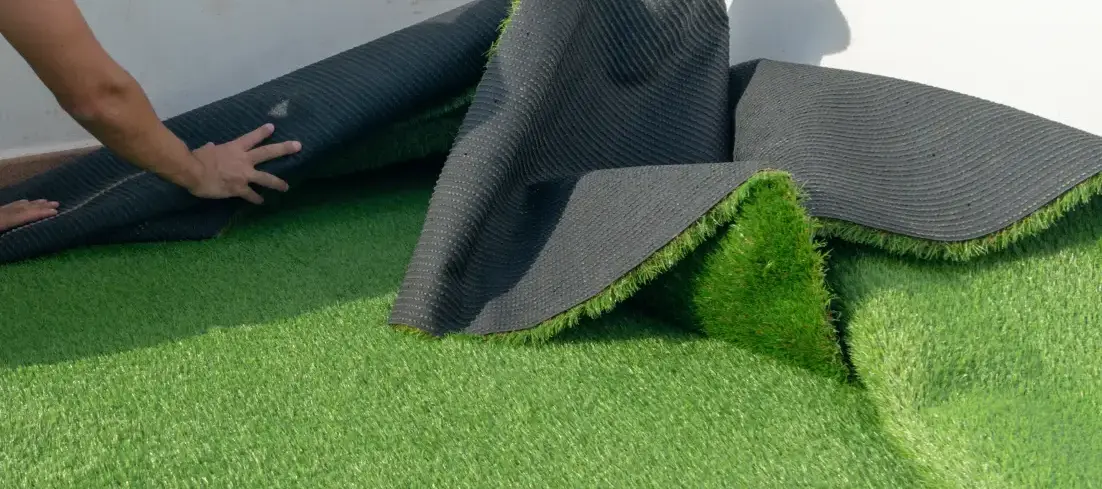
Discover what you need before laying artificial grass. Proper groundwork ensures a durable, lush lawn and a smooth installation process. Learn top tips today!
Measure Your Garden Area
You can always start with a simple sketch to plan your garden. Mark out the location of any sheds, patios, borders, trees, or play equipment. A clear strategy will help you see where the grass will go and where joints may be needed.
Then, you'll need to measure the longest length and the widest width of the space. Even if the area is an odd shape, these two measurements give you a safe guide. Round it up to the nearest 10 cm to allow for trimming.
Artificial grass comes in standard roll widths. Check the roll sizes before you order. This helps you decide the best way to lay the grass with the fewest joins.
Add a little extra to your total for cuts and small errors. Offcuts can help with tricky corners or around steps. Keeping a small spare piece is useful for future repairs.
Check The Slope And Drainage
A successful artificial lawn needs ground that sheds water reliably, so begin by watching how the rain behaves across your garden, or if the weather is dry, run a hose to mimic a steady shower and observe the flow. Water should move gently away from the house and towards a soakaway, drain, or lower point in the garden, and you should not see large puddles that linger. A gentle fall is incredibly helpful because it encourages water to keep moving without making the lawn feel uneven underfoot.
Identify any spots where water sits for more than an hour, and mark them on your plan, because these locations usually require extra excavation or a deeper sub-base to improve drainage. If your soil is heavy clay, expect slower drainage and plan for more aggregate, since clay holds water and can lead to a soft base if it is not managed carefully. Sandy or loamy soils often drain well, but you should still test them because local compaction and buried debris can create hidden problems.
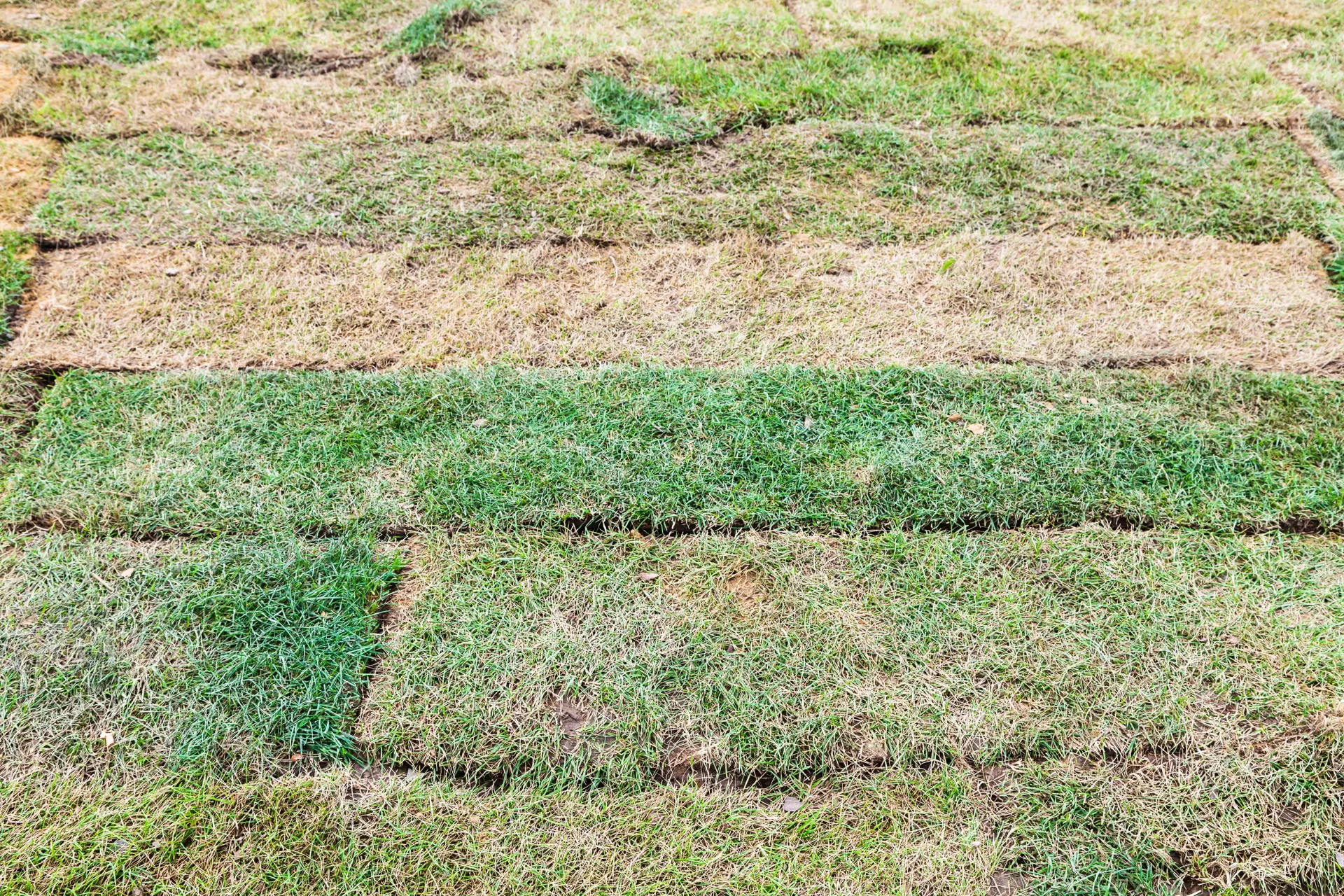
You should check that any existing gullies, channel drains, or soakaways are clear of silt and leaves, because blocked drainage can overwhelm a new lawn surface and cause odour or staining.
When you set the finished height of the lawn, keep it at least 150 millimetres below the damp proof course of the house, and ensure paths or patios do not trap water against the walls. Plan for a consistent finish level along edges so rainwater cannot collect in a lip where the grass meets paving.
On sloped gardens, think about how you will fix and trim the grass so it does not creep downhill over time, which can happen if the base is weak or the fixing is poor. A firm, well-compacted base supports the surface so that traffic does not create channels that capture water.
Careful shaping of the base with a slight fall, combined with clear routes for water to escape, provides a clean, dry lawn that stays fresh and pleasant to use through wet seasons.
Choose Your Artificial Grass Type
For heavy family play or frequent football sessions, it's always better to choose a more durable yarn with a medium pile height that you know will spring back well after use. For a relaxed seating area or show garden, a slightly longer pile with mixed green tones can give a soft, lush look that feels comfortable under bare feet.
Pile height affects both appearance and maintenance, because shorter piles are simple to brush and tend to look neat without much effort, while longer fibres can look very realistic yet may need more regular brushing to keep them upright. Density also matters, since a denser tufting pattern supports the fibres and resists flattening, which helps the lawn keep its shape over time. Look for a balance that suits your budget and your willingness to carry out light upkeep.
Yarn type influences resilience and touch, with common options including polyethylene for softness and polypropylene for firmness, and many products blend these materials to balance comfort and recovery. Ask for small samples and place them side by side in the garden at different times of day, because natural light reveals colour shifts and shine that indoor lights can hide. Walk on the samples and twist the fibres between your fingers to check how quickly they rebound.
Colour and thatch vary between ranges, and the most natural finishes use mixed shades of green with subtle brown fibres at the base to mimic that springy layer found in real turf. Avoid very bright single-tone greens if you want a realistic look, because they can appear flat in sunlight and may not blend with surrounding plants. Consider how the colour will sit against your paving, fences, and planting, since contrast can make the lawn feel either fresh or artificial.
Decide On A Sub Base Material
A stable, free-draining sub base is the foundation of a long-lasting lawn, so plan to remove the soft topsoil to a suitable depth, then build back with well-graded stone that compacts firmly. Many domestic gardens tend to use Type 1 or MOT as the main load-bearing layer, because these materials lock together under compaction and provide strength. Above this layer, a finer material such as granite dust or limestone chippings creates a smooth, even bedding surface for the grass.
The depth of each layer depends on soil type, expected foot traffic, and local drainage, and for most gardens, a total depth of 75 to 100 millimetres after compaction is a sensible target. On weaker or very wet ground, increase the thickness and consider an open graded base that moves water more effectively, because a base that stays firm prevents ripples and dips from forming. If a driveway or heavy furniture will sit on the area, increase the structural layer so it can manage the load.
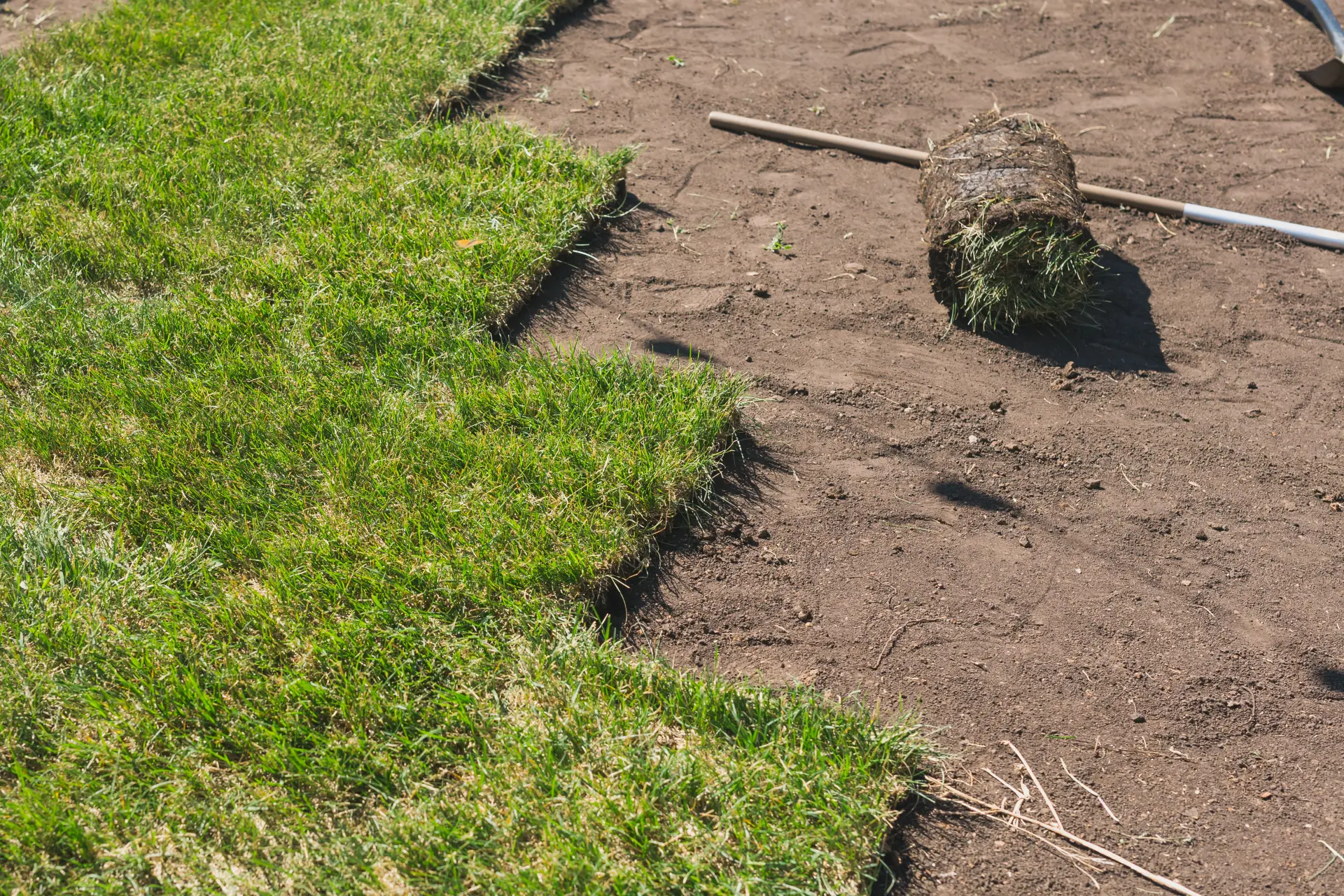
Compaction is best carried out with a vibrating plate compactor in several light passes, and you should moisten the stone slightly if it is dusty, so it binds more effectively. Check for soft spots by walking the whole area and looking for movement, and add material where needed before making another pass.
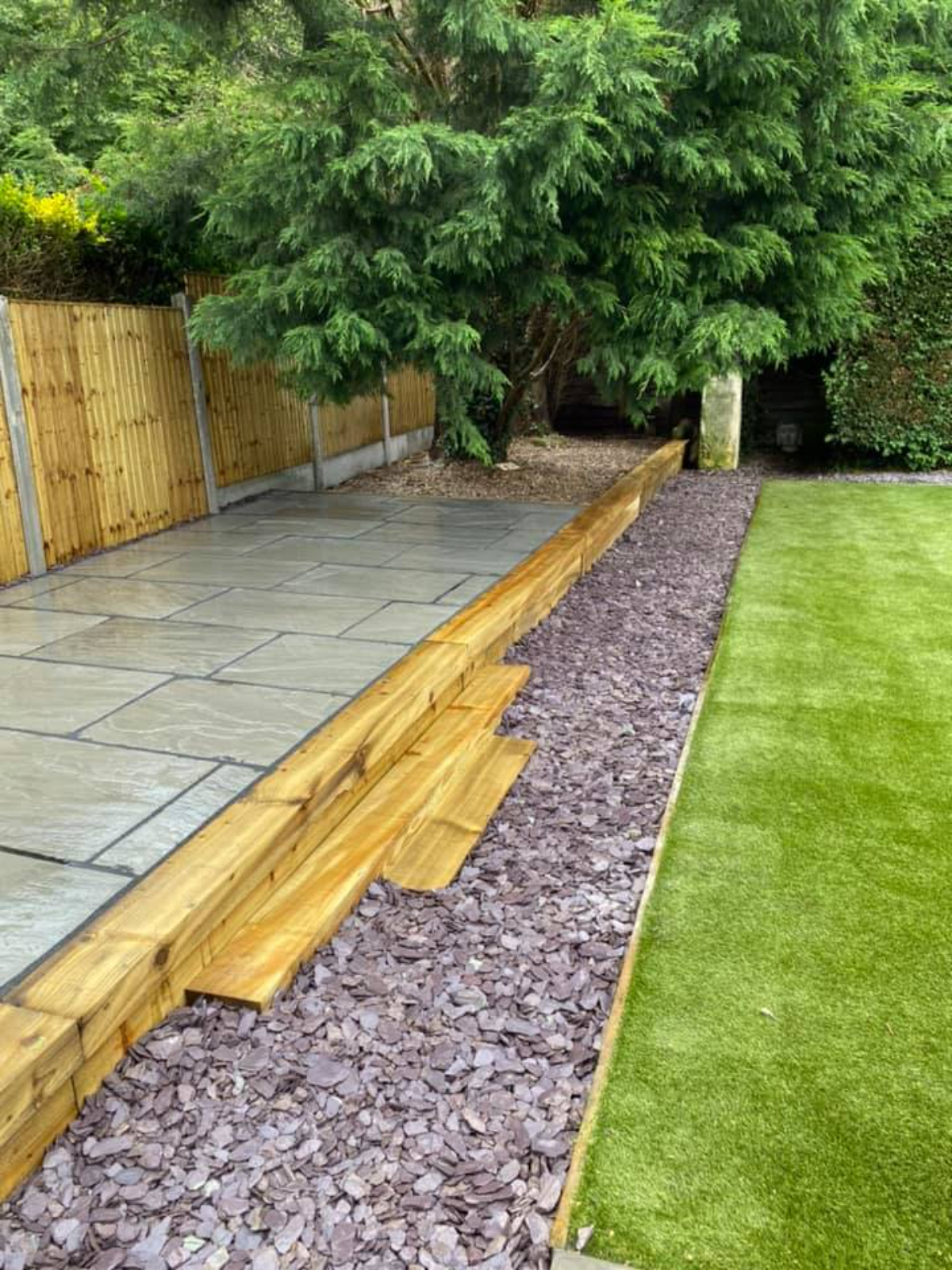
Edging keeps the base contained and provides a neat line for trimming, so plan suitable edges such as treated timber, concrete haunching, metal edging, or existing paving, and set them level and secure. A well-set edge helps prevent the base from spreading and gives you a firm line to fix the grass, stopping the perimeter from lifting.
Do You Need Weed Control Fabric
Weed control fabric can reduce the chance of weeds growing into your lawn from below and also helps stop fine stone from migrating into the soil, keeping the base clean. It is most valuable in gardens with a long history of persistent weeds or where old borders have been turned into lawn, because roots and seeds can remain in the ground for years. Even with fabric, you should still remove strong roots and visible weeds during excavation, since prevention at this stage gives the best results.
Remember that no barrier will stop all weeds forever, because wind can carry seeds that settle in surface dust and root in the infill, so you should plan light maintenance. A quick brush every week or two lifts the fibres, removes debris, and disturbs seedlings before they establish, which keeps the lawn tidy. Neat edges along borders also discourage creeping growth from your plant beds, and spot treatment for the odd weed can be used with care if needed.
If your garden has invasive plants such as bamboo or ground elder, seek advice before installation, because these species can push through most barriers and may require deeper excavation or specialist membranes.
Gaskells Groundworks are a professional team of Artificial Grass Layers for Escrick, Selby, and Riccall. We work passionately, applying our knowledge to create your dream landscape. Whether you're considering a complete garden makeover or just need some advice, we're here to help!